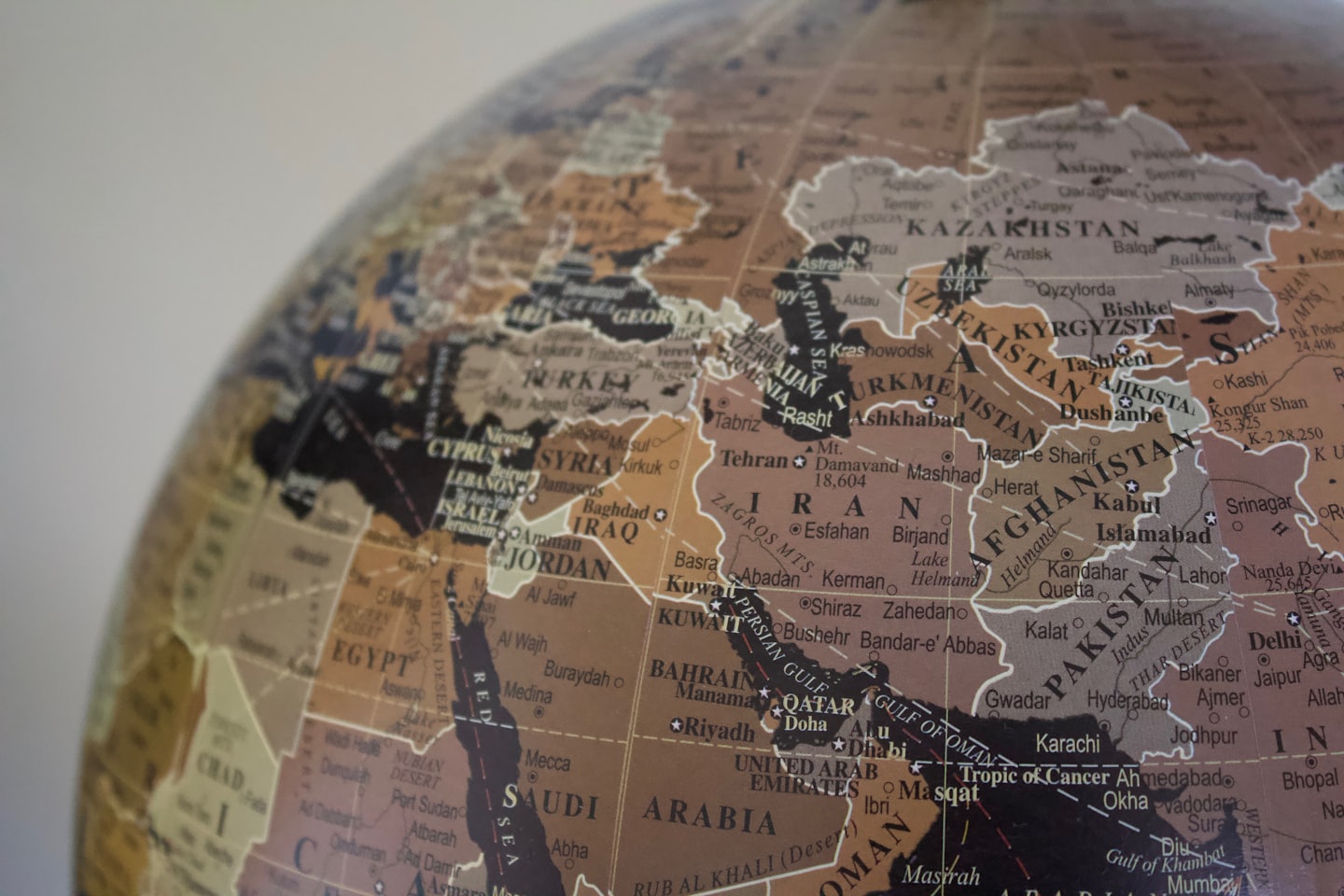
Intelligence: from information gathering to the strategic management of knowledge
The history of intelligence is the history of humanity’s search to understand what is not immediately visible. Since the earliest organized civilizations, rulers and military commanders have needed to understand the intentions of their rivals, the capabilities of their adversaries, and potential future threats.
Long before the emergence of modern intelligence services, intelligence was already an essential component of power. Kings, emperors, and generals relied on messengers, diplomats, merchants, explorers, and informants to gain a strategic advantage. Wars were often won not only through military strength but also through the ability to understand and anticipate an enemy’s actions.
Today, the modern concept of intelligence encompasses the collection, analysis, and protection of information, yet its origins date back to the earliest great civilizations, from Mesopotamia to ancient China, passing through Egypt, Persia, Greece, and Rome.
Throughout history, intelligence evolved alongside the State. From being a personal instrument of the sovereign, it gradually became a permanent governmental function connected to diplomacy, national security, and military strategy. The Renaissance and the emergence of modern diplomacy marked a decisive turning point by transforming information into an organized strategic resource.
The twentieth century brought profound changes. The World Wars, cryptography, signals interception, and the Cold War made intelligence one of the principal instruments of competition among the world’s major powers.
Following the end of the Cold War, new threats such as international terrorism, organized crime, and hybrid warfare transformed the role of intelligence. Today, in the digital age, the challenge is no longer simply to collect information but to analyze, verify, and transform it into strategic knowledge through new technologies such as big data and artificial intelligence.
The history of intelligence is therefore the story of how States have sought to transform information into power. Throughout every historical period, one fundamental principle has remained unchanged: those who understand reality more accurately and more quickly possess an advantage over those who understand it too late.

The Origins of Intelligence: Mesopotamia, Egypt, the Hittites, Persia, India, and China
Introduction: The Birth of Intelligence in the Ancient World
The history of intelligence begins with the birth of the State itself. Long before the existence of modern intelligence agencies, government services, and professional security organizations, the earliest organized civilizations had already understood one fundamental principle: power cannot govern what it does not know.
As human societies evolved into complex political organizations with cities, armies, administrations, and territories to govern, the need emerged to gather information about the surrounding world. A ruler not only had to command his people but also needed to know what was happening beyond the borders of his kingdom. He had to understand the intentions of neighboring peoples, assess the loyalty of his officials, evaluate the military capabilities of rivals, and identify potential threats before they became dangerous.
Ancient intelligence was not yet an organized system comparable to contemporary intelligence organizations, but it already contained the fundamental elements that would characterize its development throughout history: observation, information gathering, the use of informants, political surveillance, analysis of enemy capabilities, and the protection of communications.
The birth of intelligence is therefore inseparable from the birth of politics and warfare. Wherever there is a conflict of interests between groups, kingdoms, or empires, there also arises the need to understand one’s adversary more thoroughly.
Mesopotamia: The Birth of Organized Knowledge in Government
Mesopotamia represents one of the earliest great laboratories in the history of intelligence. Between the fourth and third millennia BC, in the region between the Tigris and Euphrates rivers, some of humanity’s first organized cities emerged, including Uruk, Ur, and Lagash. The transformation of agricultural communities into true city-states created new governmental requirements. Rulers had to administer large populations, control economic resources, organize armies, and maintain internal order. Achieving these objectives required accurate and reliable information.
The invention of cuneiform writing played a fundamental role. Initially developed for administrative purposes, it enabled the recording of grain quantities, taxes, commercial exchanges, and the movement of goods. This ability to preserve information represented a revolution: the State could finally establish a permanent institutional memory of its activities. Writing therefore became an instrument of power. Those who controlled information could govern territory more effectively.
Mesopotamian rulers also began to rely on individuals capable of providing knowledge from beyond their borders. Merchants, diplomats, and travelers, because of their mobility, became valuable sources of information. A merchant might understand the economic situation of another kingdom, a diplomat could assess political balances, and a traveler could observe roads, cities, and military movements. During this period, a concept emerged that would remain central throughout the history of intelligence: information became a strategic resource.

The Assyrian Empire: One of the First Great Intelligence Systems
Among the civilizations of Mesopotamia, the Assyrians elevated the use of information to a new level. Their empire, which flourished primarily between the ninth and seventh centuries BC, was a major military power governing vast territories through a sophisticated administrative system.
The principal challenge was not merely conquering new lands but maintaining control over them. Such an extensive empire faced constant threats from local rebellions, disloyal governors, and foreign invasions. Consequently, the Assyrian king needed continuous knowledge of events occurring throughout the provinces. Officials and messengers regularly sent reports to the royal court concerning the political, military, and economic conditions of the territories under Assyrian control.
These reports constitute one of the earliest known examples of political intelligence. In military affairs, the Assyrians also developed advanced intelligence practices. Before launching military campaigns, they gathered information about enemy fortifications, access routes, geographical features, and the military capabilities of opposing forces. Warfare therefore began before the actual battle—it began with knowledge of the battlefield and of the enemy.
Egypt: Intelligence in the Service of the Pharaoh and Imperial Order
Ancient Egypt developed a political system founded upon a highly centralized authority. The Pharaoh was not merely a ruler but the embodiment of the country’s political and religious order. Governing Egypt meant controlling the territory along the Nile River, organizing agricultural production, collecting taxes, and maintaining domestic stability. To achieve these objectives, the Egyptian administration developed a remarkable capacity for gathering information.
Scribes played a fundamental role. They were not simply administrative officials but the custodians of the State’s institutional memory. By recording harvests, taxes, resources, and the activities of provincial governors, they enabled the central government to understand the actual condition of the kingdom. This ability to collect and organize data may be regarded as one of the earliest forms of administrative analysis.
Egypt also developed intelligence practices in military affairs. During campaigns, scouts and messengers gathered information about foreign territories and enemy forces. A significant example is the Battle of Kadesh, fought around 1274 BC between the Egyptian army of Ramesses II and the Hittite forces under Muwatalli II. According to the Egyptian account, false information deliberately provided by the Hittites contributed to creating a tactical advantage for their forces. This episode illustrates one of the fundamental principles of intelligence: collecting information alone is insufficient; its reliability must also be verified and critically assessed.
The Hittites: Information, Diplomacy, and the International Balance of Power
The Hittites, an Indo-European people who established a powerful kingdom in Anatolia between the seventeenth and twelfth centuries BC, developed a conception of intelligence that was closely linked to diplomacy.
Their geographical position placed them at the center of the rivalries among the major powers of the ancient Near East, particularly Egypt. In such an unstable environment, understanding the intentions of other rulers was essential. Ambassadors were not responsible solely for negotiating agreements; they also served as political observers. They were expected to assess the internal situation of foreign kingdoms, evaluate potential alliances, and identify the weaknesses of rival states.
The Hittite archives demonstrate the importance of diplomatic communication. Treaties, letters, and formal agreements were instruments through which states sought to manage a complex international environment. Intelligence was therefore not limited to clandestine activity but also consisted of the ability to interpret the balance of power.

Persia: The First Great Imperial Communication System
With the Achaemenid Empire, founded in the sixth century BC by Cyrus the Great, intelligence reached a new level of development. Persia ruled one of the largest empires of the ancient world, comprising numerous peoples with different languages, cultures, and traditions. Governing such an extensive territory required an efficient system of communication and oversight.
Darius I further refined the imperial administration through a network of satrapies, provincial officials, and communication routes that enabled the royal court to receive information from distant regions. The Royal Road became one of the empire’s most important strategic assets, allowing royal messengers to travel rapidly across vast distances.
Ancient sources also refer to the “Eyes and Ears of the King,” officials responsible for monitoring the conduct of provincial governors. Their task was to prevent local authorities from becoming independent of the central government. For the first time in history, one can clearly identify a principle that characterizes modern states: the central government must possess effective means of knowing what is happening far from the seat of power.
Ancient India: Intelligence as a Scientific Instrument of Government
Ancient India developed one of history’s most comprehensive reflections on intelligence through the work known as the Arthashastra, traditionally attributed to Kautilya, political adviser to Chandragupta Maurya.
The text regards information as an essential component of statecraft. According to Kautilya, an effective ruler must understand not only external enemies but also everything occurring within his own kingdom.
Agents could come from many sectors of society, including merchants, itinerant religious figures, government officials, and individuals capable of observing political circles. Their responsibilities included identifying conspiracies, corruption, internal rivalries, and the intentions of hostile powers.
The most significant aspect of the Arthashastra is that it does not describe intelligence as an occasional practice but as a permanent function of the State.
Ancient China: information as the decisive weapon
Ancient China produced one of the most influential theories of military intelligence through the thought of Sun Tzu and his work The Art of War.
For Sun Tzu, war was not merely a clash between armies but a competition of knowledge. A successful commander had to understand the enemy, the terrain, political conditions, and his own strengths and limitations.
Espionage therefore possessed immense strategic value. A skilled agent could provide information capable of changing the outcome of an entire war. Sun Tzu’s greatest insight was his understanding that military superiority often depends upon informational superiority. This principle, first formulated in ancient China, remains one of the fundamental pillars of modern intelligence.
The Greco-Roman World: Diplomacy, Cryptography, and Military Intelligence
In the Greco-Roman world, intelligence activities became increasingly organized and developed into an essential instrument for the exercise of political power, the conduct of warfare, and the management of relations between states. Both the Greek city-states and later Rome recognized that knowledge of an adversary’s intentions, political circumstances, and military capabilities constituted a decisive strategic advantage.
In the Greek world, intelligence gathering was closely connected to diplomacy and warfare. The city-states, frequently engaged in rivalry with one another, developed methods for discovering enemy plans, monitoring alliances, and anticipating the actions of their opponents. Ambassadors fulfilled not only diplomatic functions but also acted as observers tasked with gathering information about foreign societies.
During military campaigns, the Greek poleis employed scouts, messengers, and informants to obtain intelligence regarding enemy armies, troop movements, and the characteristics of the surrounding terrain. Knowledge of geography and of an opponent’s intentions became an integral element of military strategy.
A particularly significant development was the emergence of cryptography. The necessity of protecting military and political communications led to the creation of systems designed to conceal the content of messages. One of the best-known examples is the Spartan scytale, a device used to transmit confidential messages by arranging letters according to a specific cylindrical mechanism.
With Rome’s expansion, intelligence reached an even more advanced stage. The Roman Republic, and later the Roman Empire, established an extensive information network that included ambassadors, government officials, military officers, merchants, and informants. Rome understood that governing a vast empire required continuous knowledge of both internal and external developments.
Roman intelligence was closely connected to state security. Authorities gathered information about conquered peoples, potential rebellions, external enemies, and domestic political tensions. During military campaigns, Roman armies employed scouts and specialized reconnaissance units to collect intelligence concerning enemy movements and capabilities.
Roman diplomacy likewise became an important source of information. Ambassadors gathered intelligence, assessed political balances, and contributed directly to strategic decision-making. Knowledge became a form of power because it enabled Rome to anticipate threats and maintain control over its empire.

The Middle Ages: Religious, Commercial, and Diplomatic Networks
Following the fall of the Western Roman Empire, the organization of intelligence underwent significant transformation. Although centralized imperial structures disappeared, information gathering continued through new networks based upon religion, commerce, and diplomacy.
During the Middle Ages, religious institutions played a major role in the circulation of information. Monasteries, churches, and religious communities formed extensive networks spanning vast territories. Monks and traveling clerics collected and transmitted political, social, and military information, contributing significantly to the dissemination of knowledge.
The commercial world likewise became an essential source of intelligence. Merchants traveled across distant regions, interacted with diverse cultures, and gathered information concerning economic conditions, trade routes, and political developments. Information became a strategic asset for protecting commercial interests and anticipating future changes.
Commercial cities developed genuine intelligence networks. The maritime republics and major trading centers employed travelers, agents, and correspondents to obtain information about markets, conflicts, and the intentions of rival powers. Commerce and intelligence thus became increasingly interconnected.
Medieval diplomacy also contributed to the evolution of intelligence practices. Ambassadors, envoys, and messengers not only carried political agreements but also collected information regarding foreign courts, alliances, and military capabilities.
Throughout the Middle Ages, the security of communications became increasingly important. Rulers and political authorities began using confidential messages, codes, and methods for protecting sensitive information to prevent strategic communications from being intercepted.
Although medieval intelligence had not yet developed into modern intelligence services, it established the foundations for a new conception of information: possessing knowledge before one’s rivals meant obtaining a political, economic, and military advantage. These networks would later prove fundamental to the development of modern intelligence during the Renaissance and the modern era.
The Renaissance therefore laid the foundations of modern intelligence by establishing that understanding the external world was a permanent function of the State.
The Renaissance and the Birth of Permanent Information Systems
From Occasional Information Gathering to Organized Intelligence
The Renaissance represents one of the most significant turning points in the history of intelligence. Whereas during the Middle Ages the collection of information had relied primarily on merchants, religious figures, travelers, and diplomats, between the fifteenth and sixteenth centuries information became a genuine strategic resource of the State. The objective was no longer simply to obtain information on an occasional basis but to establish a permanent system capable of collecting, verifying, and transmitting information useful for political and military decision-making.
Renaissance Italy became the laboratory for this transformation. The Italian peninsula was divided into numerous independent states—including the Republic of Venice, the Duchy of Milan, the Republic of Florence, the Papal States, and the Kingdom of Naples—which were constantly engaged in defending their interests through alliances, negotiations, and conflicts. Within this environment, knowing the intentions of rivals in advance became essential for ensuring the survival of the State.
The Emergence of Permanent Diplomacy
One of the Renaissance’s most significant innovations was the establishment of permanent diplomacy. Until that time, ambassadors had generally been dispatched only for temporary missions. Beginning in the fifteenth century, however, many Italian states started maintaining permanent representatives at foreign courts.
As a result, ambassadors assumed a dual role. On the one hand, they officially represented their governments; on the other, they carefully observed the political life of the host state. They gathered information concerning the balance of power, alliances, economic conditions, military capabilities, and even the personal circumstances of rulers and their advisers.
This information was transmitted regularly to their home governments through detailed diplomatic reports. For the first time, states possessed a continuous flow of intelligence from abroad, anticipating the modern concept of strategic intelligence.
Venice: The Capital of Information
Among the Italian states, the Republic of Venice developed what was probably the most efficient information system of its time. Its geographical position and commercial orientation enabled it to collect information from across Europe, the Mediterranean, and the Near East.
Merchants, ship captains, ambassadors, and government officials continuously supplied an extensive intelligence network with information. Reports were compared, verified, and archived before being used by the Venetian government.
Venice understood a principle that continues to guide modern intelligence services: information is valuable only if it is reliable, verified, and analyzed within its proper context.
Niccolò Machiavelli and the Strategic Value of Knowledge
The Renaissance also witnessed the emergence of a new theoretical reflection on the relationship between information and political power. One of its most important contributors was Niccolò Machiavelli, diplomat and political thinker.
In his writings, Machiavelli emphasized that a ruler must constantly understand political realities, the intentions of enemies, and the condition of his own armed forces. In his view, the success of a state depended not solely on military strength but also on the ability to understand events before one’s adversaries did.
Although Machiavelli did not formulate a theory of intelligence in the modern sense, he clearly recognized the strategic importance of knowledge, observation, and political analysis.
Renaissance Cryptography
As diplomatic communications increased, so did the risk of interception. Consequently, the Renaissance witnessed remarkable advances in cryptography.
Government chanceries developed cipher alphabets, symbolic systems, and numerical codes designed to protect confidential communications. In some cases, highly sophisticated ciphers requiring special decoding keys were employed. Cryptography thus became an essential component of diplomatic activity and one of the fundamental pillars of modern information security.
Networks of Informants
Alongside ambassadors operated numerous informants. Merchants, pilgrims, soldiers, bankers, and government officials gathered information during their travels and transmitted it to their governments.
Many of these individuals were not spies in the modern sense of the word. Rather, their occupations gave them access to valuable information capable of influencing political decisions. In this way, a distributed intelligence network gradually emerged throughout Europe, in which each piece of information contributed to building a broader understanding of the international environment.
From Information Collection to Intelligence Analysis
The Renaissance’s most important innovation was not merely the increased availability of information but the development of methods for analyzing it.
Governments began comparing information from multiple sources, assessing the reliability of reports, and distinguishing facts from opinions and propaganda. This process represents one of the earliest examples of intelligence analysis, a discipline that remains the core function of modern intelligence organizations.
From the Seventeenth to the Nineteenth Century: Modern States, Diplomacy, and the Birth of Intelligence Services
Between the seventeenth and nineteenth centuries, intelligence underwent a decisive transformation. During the Renaissance, information gathering had remained closely linked to diplomacy and the initiatives of individual rulers. With the emergence of the modern state, however, intelligence gradually became a permanent function of the governmental apparatus. The centralization of political authority, the expansion of public administration, and the growing competition among Europe’s great monarchies required increasingly systematic control of information, both within national borders and abroad.
The formation of the modern state was accompanied by a profound evolution in the concept of sovereignty. Monarchs such as Louis XIV of France strengthened central authority by reducing the autonomy of the nobility and creating permanent administrative institutions. Governing increasingly extensive territories required continuous knowledge of the country’s political, economic, and military conditions. Intelligence therefore ceased to be merely an instrument for understanding external enemies and also became a means of ensuring domestic stability, preventing conspiracies, and monitoring potential opposition movements.
Diplomacy assumed an increasingly important role in this process. Permanent ambassadors, now established at the principal European courts, no longer simply represented their sovereigns but systematically collected information concerning the policies of their host countries. Their reports described economic conditions, military strength, the attitudes of the nobility, the financial difficulties of governments, and even the personalities of monarchs and their advisers. These documents provided an invaluable informational foundation for foreign policy decisions and constitute one of the earliest examples of strategic intelligence analysis intended for the highest levels of government.
During the seventeenth century, Europe was engulfed in conflicts involving most of the continent’s major powers. The Thirty Years’ War demonstrated the importance of knowing an adversary’s intentions, alliances, and logistical capabilities in advance. Wars were no longer decided solely on the battlefield but also through the ability to collect reliable information and interpret it correctly. Armies increasingly relied upon scouts, local guides, deserters, and interrogated prisoners to obtain information concerning enemy forces and the characteristics of the terrain.
At the same time, new methods for protecting communications continued to develop. The growing volume of diplomatic and military correspondence made the use of cryptography indispensable. Encrypted letters, numerical codes, and substitution ciphers were widely employed to prevent confidential information from falling into enemy hands. Simultaneously, the first offices dedicated to deciphering intercepted communications emerged, inaugurating a competition that would characterize the entire history of modern intelligence: on one side, the protection of information; on the other, the effort to penetrate an adversary’s security systems.
During the eighteenth century, expanding economic interdependence and colonial expansion further broadened the scope of intelligence activities. Europe’s great powers were concerned not only with the continent’s political balance but also with control of trade routes, colonies, and natural resources. Commercial companies, merchants, and naval officers became increasingly important sources of information. Through their activities, governments could gain insight into the economic conditions of overseas territories, the movements of enemy fleets, and opportunities for commercial expansion. During this period, the distinction between diplomacy, commerce, and intelligence often became blurred.
Internal security likewise assumed growing importance. Absolute monarchies feared popular uprisings, aristocratic conspiracies, and revolutionary movements. Consequently, networks of informants were established to monitor public opinion, supervise the circulation of ideas considered dangerous, and report subversive activities. Intelligence thus became an instrument of domestic security as well as foreign policy, anticipating a function that many states would retain in subsequent centuries.
The French Revolution marked a major turning point. The collapse of the Ancien Régime and the spread of revolutionary ideas prompted European monarchies to strengthen their internal security systems even further. Fear that revolutionary principles might spread beyond France led many governments to intensify surveillance of political movements, associations, and the press. Intelligence therefore acquired an ideological dimension, aimed at identifying and preventing developments considered dangerous to state stability.
The Napoleonic Wars subsequently demonstrated that information gathering had become an essential component of military strategy. Napoleon Bonaparte fully understood the value of intelligence and made extensive use of reconnaissance, officers’ reports, detailed cartography, and information obtained through diplomats and agents. The remarkable speed of his military operations was made possible in part by his thorough knowledge of terrain and operational conditions. At the same time, the coalition powers developed their own intelligence networks to monitor French troop movements and coordinate military operations.
During the nineteenth century, industrialization and technological progress transformed the intelligence landscape once again. The invention of the telegraph made it possible to transmit information far more rapidly than ever before, revolutionizing both diplomacy and military operations. However, this innovation also created new vulnerabilities, since communications could now be intercepted or manipulated. As a result, the protection of communication networks and information security became increasingly important concerns for governments.
At the same time, governmental administrations became increasingly professionalized. Intelligence gathering no longer depended solely upon the initiative of individual diplomats or military commanders but was coordinated through permanent offices performing functions that closely resembled those of the intelligence services that would emerge in the twentieth century. Although fully developed intelligence organizations had not yet appeared, many of their defining characteristics were already present: networks of agents, intelligence analysis, secure communications, coordination with foreign policy, and strategic planning.
On the eve of the twentieth century, intelligence had therefore undergone a profound transformation from its ancient origins. What had once been an occasional activity carried out by merchants, explorers, or ambassadors had become a permanent function of the modern state. Information was no longer regarded merely as an aid to sovereign decision-making but as an indispensable strategic resource for governing, defending national territory, and competing in the international arena.
This evolution would reach its full maturity with the outbreak of the First World War, when the industrial and technological dimensions of modern warfare would permanently transform intelligence into one of the principal instruments of state power.
Intelligence During the Two World Wars
The outbreak of the First World War marked a turning point in the history of intelligence. Until the end of the nineteenth century, intelligence gathering had relied primarily on diplomacy, networks of informants, and traditional military activities. The new conflict, however, imposed a radical transformation. The war involved millions of soldiers, fully mobilized national economies, and new technologies capable of fundamentally changing the way wars were fought. In this context, intelligence ceased to be merely a support function for military operations and became one of the principal instruments through which states sought to gain a strategic advantage.
The nature of industrial warfare made it necessary to collect information not only about enemy armies but also about the adversary’s entire productive capacity. Factories, railway networks, ports, energy resources, and arms production became primary targets for intelligence organizations. Knowing the number of divisions deployed at the front was no longer sufficient; it became essential to understand how quickly the enemy could replace personnel, weapons, and ammunition. Thus, a more advanced form of economic and industrial intelligence emerged, one that would play an increasingly important role in the conflicts of the twentieth century.
At the same time, the rapid development of communications revolutionized the work of intelligence organizations. The use of the telegraph, radio, and telephone enabled military commands to transmit orders with unprecedented speed, but it also made communications vulnerable to interception. As a result, cryptography acquired an importance never before seen. Every army sought to protect its messages through increasingly sophisticated codes, while its adversaries established specialized organizations dedicated to breaking them. Warfare thus expanded to an invisible front, fought through ciphers, intercepted communications, and communications intelligence.
A notable example was the famous Zimmermann Telegram of 1917, sent by the German government to Mexico. The message, intercepted and deciphered by British intelligence, proposed an alliance against the United States in exchange for the restoration of territories previously lost by Mexico. Its publication helped strengthen public support for the United States’ entry into the war, demonstrating how a single intelligence operation could influence the international political balance.
The First World War also witnessed the systematic use of traditional espionage. Undercover agents operated within enemy territory to gather intelligence on troop movements, industrial production, and strategic infrastructure. Many clandestine networks were dismantled through counterintelligence, whose importance grew steadily throughout the conflict. Protecting one’s own secrets became just as important as uncovering those of the enemy.
Propaganda also assumed a central role. Governments realized that war was fought not only in the trenches but also in the minds of civilian populations. Through newspapers, posters, and official communications, states sought to sustain domestic morale while simultaneously undermining that of their adversaries. Intelligence organizations therefore began cooperating with propaganda agencies, anticipating forms of psychological warfare that would be further developed during the Second World War.
The end of the First World War did not diminish the importance of intelligence. On the contrary, the 1920s and 1930s were marked by a profound reorganization of intelligence organizations. Many governments recognized that maintaining permanent institutions dedicated to the collection and analysis of information was an essential component of national security. In several countries, organizations responsible for coordinating espionage, counterintelligence, and strategic analysis were either established or significantly strengthened. At the same time, the rapid development of aviation and aerial photography introduced entirely new possibilities for observing enemy territory.
The outbreak of the Second World War elevated this evolution to an entirely new level. The global scale of the conflict and unprecedented technological advances transformed intelligence into a decisive component of both military and political strategy. Every major power invested extraordinary resources in creating intelligence networks, analytical centers, and organizations specializing in covert operations.
One of the fields that experienced the greatest development was cryptanalysis. Nazi Germany protected much of its military communications through the Enigma cipher machine, which was widely believed to be virtually unbreakable. Nevertheless, thanks to the pioneering work of the mathematicians of the Polish Cipher Bureau (Biuro Szyfrów) and, later, the British experts assembled at Bletchley Park, it became possible to decipher a substantial portion of German communications.
Among the leading figures in this achievement was Alan Turing, whose contribution to the development of electromechanical machines for decrypting encrypted messages represented one of the most significant innovations in the history of intelligence. The intelligence obtained through the program known by the codename Ultra enabled the Allies to uncover numerous German military plans, influencing decisive campaigns such as the Battle of the Atlantic and contributing significantly to the Allied victory.
In the Pacific theater, the United States achieved similar successes by deciphering portions of the codes used by the Imperial Japanese Navy. Advance knowledge of certain fleet movements enabled the U.S. Navy to prepare its defenses during the Battle of Midway, one of the decisive engagements of the entire war.
The Second World War also witnessed the creation of organizations dedicated to special operations. In the United Kingdom, the Special Operations Executive (SOE) was established to support resistance movements in occupied territories through sabotage, infiltration, and clandestine activities. In the United States, the Office of Strategic Services (OSS) was created and is widely regarded as the direct predecessor of the Central Intelligence Agency (CIA).
Covert operations became increasingly important. Beyond collecting intelligence, intelligence organizations were tasked with organizing sabotage, supporting resistance movements, conducting deception operations, and preparing military campaigns through sophisticated strategic deception. One of the most famous examples was Operation Fortitude, which successfully convinced the German High Command that the Allied invasion would take place in the Pas-de-Calais region rather than in Normandy. This deception operation played a decisive role in the success of the Normandy landings (D-Day).
By the end of the war, intelligence had acquired characteristics profoundly different from those it possessed at the beginning of the century. It was no longer limited to traditional espionage but had expanded to include strategic analysis, signals intelligence, cryptanalysis, aerial photographic reconnaissance, covert operations, propaganda, and psychological warfare. The two World Wars had demonstrated that informational superiority could influence the fate of nations just as decisively as military superiority.
The intelligence organizations created during the conflict were not dismantled when peace returned. On the contrary, they became the foundation upon which the modern intelligence services were built. Within only a few years, these organizations would become central actors in a new global confrontation: the Cold War.
The Cold War: Intelligence as the Central Actor in the Superpower Confrontation
The end of the Second World War did not usher in a period of lasting peace; instead, it marked the beginning of a new phase in international politics characterized by continuous competition between two powers destined to dominate the global order: the United States and the Soviet Union. Although the two nations had been allies against Nazi Germany, their profound ideological, economic, and political differences emerged rapidly after 1945. On one side stood the democratic-liberal model led by Washington; on the other, the Soviet socialist system directed from Moscow. The confrontation between these two blocs never escalated into direct military conflict, since the possession of nuclear weapons made the risk of total war unacceptably high. Instead, the competition unfolded across political, economic, technological, diplomatic, and, above all, informational dimensions.
Within this context, intelligence definitively ceased to be merely a supporting instrument for military decision-making and became one of the principal actors in international affairs. The Cold War has, in fact, been described by many historians as an “intelligence war” or a “war of information,” in which understanding an adversary’s intentions was essential to avoiding miscalculations that could have triggered a nuclear catastrophe.
In the years immediately following the war, both superpowers profoundly reorganized their national security institutions. In the United States, the National Security Act of 1947 represented a decisive turning point. This legislation established the Central Intelligence Agency (CIA), which was entrusted with the responsibility of collecting, analyzing, and coordinating foreign intelligence, as well as planning covert operations deemed necessary for national security. The creation of the CIA reflected the growing conviction that safeguarding American interests could no longer rely solely on military power but required continuous knowledge of international political developments.
The Soviet Union already possessed a highly developed security apparatus inherited from the organizations established after the Russian Revolution. In 1954, the Committee for State Security (Komitet Gosudarstvennoy Bezopasnosti—KGB) was created, eventually becoming one of the most powerful and feared intelligence organizations in the world. The KGB performed an exceptionally broad range of functions, including foreign espionage, counterintelligence, internal security, protection of the Soviet leadership, and surveillance of political dissent. Unlike the CIA, whose activities were focused primarily abroad, the KGB was deeply involved in monitoring Soviet society itself, a role considered essential to preserving the stability of the regime.
The rivalry between the CIA and the KGB became one of the defining symbols of the Cold War. Both organizations built extensive networks of agents, informants, and collaborators operating throughout the world. Embassies, consulates, international organizations, and even certain commercial enterprises became locations where intelligence officers operated under diplomatic cover. Major European capitals—particularly Berlin and Vienna—were transformed into genuine centers of international espionage, where agents from both superpowers conducted recruitment operations, surveillance, and intelligence exchanges.
During the Cold War, Human Intelligence (HUMINT) reached levels of sophistication never before experienced. Recruiting a source within the political or military establishment of the opposing bloc became one of the most highly prized objectives. Many intelligence officers lived double lives for years, assuming false identities and residing in hostile countries under deep cover. Some succeeded in transmitting intelligence of immense strategic value, while others were discovered, arrested, or sentenced to death.
One of the best-known cases was that of Oleg Penkovsky, who, during the early 1960s, supplied Western intelligence services with an enormous quantity of classified information regarding Soviet military capabilities. The intelligence provided by Penkovsky helped clarify the true extent of the Soviet missile program and proved especially valuable during the Cuban Missile Crisis. After being uncovered by the KGB, Penkovsky was tried and executed for treason.
Another significant case involved Aldrich Ames, who during the 1980s provided the KGB with the identities of numerous Western intelligence agents operating inside the Soviet Union. His betrayal resulted in the collapse of several clandestine operations and demonstrated that counterintelligence was every bit as important as espionage itself.
Alongside traditional clandestine activities, a new technological dimension of intelligence emerged. Advances in electronics and telecommunications made it possible to intercept enormous volumes of radio and telephone communications. This gave rise to Signals Intelligence (SIGINT), the collection and analysis of electronic communications. Monitoring military transmissions, diplomatic communications, and radar networks became an essential component of national security.
The United States invested vast resources in developing sophisticated electronic surveillance systems, while the Soviet Union sought to establish comparable capabilities. This technological competition quickly extended into space. With the launch of the first artificial satellites, it became possible to observe military installations, missile bases, and troop movements directly from orbit. Satellite imagery revolutionized intelligence by enabling governments to collect information without the need to infiltrate agents into enemy territory.
Before the systematic use of satellites, however, reconnaissance aircraft had played a crucial role. The most famous was the Lockheed U-2, designed to fly over Soviet territory at altitudes believed to be beyond the reach of Soviet air defenses. These missions enabled the United States to obtain highly detailed photographs of Soviet military installations, but they also involved extraordinary risks. In 1960, one of these aircraft was shot down over Soviet territory, and its pilot, Francis Gary Powers, was captured. The incident triggered a major diplomatic crisis and demonstrated how narrow the line between intelligence operations and international confrontation could be.
The Cold War was also characterized by the extensive use of covert operations. The CIA and the KGB did not limit themselves to gathering intelligence; they also sought to influence political developments in numerous countries. The United States supported governments and movements considered favorable to Western interests, while the Soviet Union backed communist parties and revolutionary movements across various regions of the world. Many regional crises—from Latin America to the Middle East, from Africa to Southeast Asia—became arenas for indirect competition between the two superpowers.
Nuclear Crisis Management and the Maturity of Cold War Intelligence
One of the most sensitive aspects of the Cold War concerned the management of nuclear crises. The existence of atomic weapons made the availability of timely and reliable intelligence indispensable. A single miscalculation could have triggered a devastating nuclear war. During the Cuban Missile Crisis of 1962, for example, photographs obtained by U-2 reconnaissance aircraft enabled the United States to identify the deployment of Soviet nuclear missiles on the island of Cuba. Those images formed the intelligence foundation upon which President John F. Kennedy based the diplomatic and military response that, after several days of extreme tension, led to the withdrawal of the missiles and the peaceful resolution of the crisis.
Throughout the 1970s and 1980s, the increasing power of computers further transformed the work of intelligence organizations. Automated data processing made it possible to analyze ever-growing volumes of information collected from satellites, intercepted communications, and human sources. Intelligence gradually began to assume characteristics much closer to those of the contemporary era, in which the ability to process enormous quantities of information became just as important as the collection of the information itself.
The Cold War formally came to an end with the fall of the Berlin Wall in 1989 and the subsequent dissolution of the Soviet Union in 1991. The end of the bipolar confrontation, however, did not mark the end of intelligence. On the contrary, the organizations built during more than four decades of geopolitical rivalry continued to operate, adapting themselves to a profoundly transformed international environment. International terrorism, nuclear proliferation, transnational organized crime, and emerging digital technologies would soon present challenges fundamentally different from those posed during the confrontation between the United States and the Soviet Union.
The Cold War remains the historical period during which intelligence reached its highest level of institutional and operational development. Never before had states invested such vast resources in the collection, analysis, and protection of information. Many of the methods, technologies, and organizational structures employed today by intelligence services derive directly from the innovations introduced during those decades, demonstrating how profoundly the rivalry between the two superpowers shaped the evolution of modern intelligence.
From 1991 to September 11, 2001: Redefining Intelligence in the New International Order
The dissolution of the Soviet Union in December 1991 marked the end of the Cold War and ushered in an entirely new phase in the history of international relations and intelligence. For nearly half a century, the intelligence services of the world’s major powers had operated within a relatively predictable international system based on the confrontation between two opposing blocs. The principal threat was the possibility of a military conflict between the United States and the Soviet Union, and much of intelligence activity was focused on monitoring the military, nuclear, and political capabilities of the adversary.
With the end of the bipolar system, this balance disappeared. To many observers, a period of greater international stability seemed to emerge, one in which the ideological competition between East and West appeared to have been permanently overcome. In reality, however, the disappearance of the Soviet adversary forced intelligence agencies to rapidly redefine their priorities. The challenge was no longer to monitor a single rival superpower but to understand a far more fragmented international environment characterized by the emergence of new actors, new threats, and new conflicts.
Throughout the 1990s, the international landscape was shaped by a series of regional crises that demonstrated that the end of the Cold War did not mean the end of instability. The wars in the former Yugoslavia, the genocide in Rwanda, the conflicts in the Caucasus, and the tensions in the Middle East highlighted the growing importance of ethnic, religious, and nationalist conflicts. Intelligence agencies were compelled to develop new analytical capabilities in order to understand realities that were far more complex than the traditional confrontation between two superpowers.
In this context, what is now known as strategic intelligence gained increasing importance—that is, the ability to interpret political, economic, social, and cultural developments capable of influencing international security. It was no longer sufficient to collect information on armies or nuclear arsenals; it became necessary to understand processes of state fragmentation, extremist movements, migration flows, the proliferation of weapons of mass destruction, and the growing influence of transnational criminal organizations.
One of the most significant changes concerned the very nature of threats. During the Cold War, intelligence services dealt primarily with governments and state institutions. During the 1990s, however, non-state actors began to play an increasingly significant role and proved much more difficult to identify and monitor. Terrorist organizations, international criminal networks, and extremist groups operated across national borders, taking advantage of globalization, expanding transportation systems, and new communication technologies.
Among these organizations, Al-Qaeda, founded in the late 1980s by Osama bin Laden, gradually emerged as one of the most significant. Initially regarded as one of the many Islamist networks that had developed during the Afghan war against the Soviet occupation, Al-Qaeda quickly evolved into a transnational organization capable of coordinating militants from different countries and planning attacks on an international scale.
The growing activity of this organization gradually attracted the attention of the principal Western intelligence agencies. Throughout the 1990s, substantial information was gathered regarding Bin Laden’s network, its financing, the training camps established in Afghanistan, and its connections with extremist groups operating in the Middle East, Africa, and Europe. However, this intelligence was often fragmented, originated from different sources, and was not always shared effectively among the various government agencies involved.
At the same time, the information technology revolution was profoundly transforming intelligence work. The widespread adoption of personal computers, the expansion of the Internet, and the increasing use of digital communications generated enormous amounts of potentially valuable data. Intelligence agencies began developing computerized systems to collect, store, and analyze information originating from a wide variety of sources. This led to growing attention to what is now known as Open Source Intelligence (OSINT)—the collection and analysis of publicly available information from newspapers, television broadcasts, scientific publications, and later, Internet websites.
International cooperation among intelligence services also became increasingly important. The transnational nature of these emerging threats made the efforts of any single country insufficient. Terrorist organizations and criminal networks operated across national borders with relative ease, making intelligence sharing among allied governments essential. Throughout the 1990s, cooperation among numerous Western intelligence services intensified, although significant differences remained in information-sharing procedures and levels of mutual trust.
The event that definitively marked the end of this transitional period was the terrorist attacks of September 11, 2001. On the morning of September 11, nineteen members of Al-Qaeda hijacked four American commercial airliners. Two aircraft were deliberately crashed into the Twin Towers of the World Trade Center, a third struck the Pentagon, and the fourth crashed in Pennsylvania after passengers attempted to overpower the hijackers. The attacks claimed nearly three thousand lives and constituted the deadliest attack ever carried out on United States soil.
From an intelligence perspective, September 11 represented a turning point. Subsequent investigations revealed that several warning signs had been collected during the preceding months by different government agencies but had not been adequately integrated or analyzed. Investigative commissions established in the following years identified coordination failures, deficiencies in information sharing, and shortcomings in the strategic assessment of a new kind of threat—one posed by a global terrorist organization rather than by a hostile nation-state.
The consequences were profound. In the United States, a comprehensive reform of the national security apparatus was launched. Mechanisms for cooperation among federal agencies were strengthened, new coordinating bodies were established, and investigative powers aimed at preventing international terrorism were significantly expanded. Many other countries also restructured their intelligence services, placing greater emphasis on prevention, the analysis of terrorist networks, and international intelligence cooperation.
September 11 also fundamentally transformed the very concept of security. During the Cold War, the principal concern had been the nuclear threat posed by a rival state. After 2001, attention shifted toward the possibility that relatively small terrorist groups could strike civilian targets using comparatively simple means while producing devastating consequences. Intelligence agencies therefore had to develop new methodologies capable of identifying weak signals, reconstructing clandestine networks, and preventing attacks planned by organizations lacking a traditional state structure.
The decade between 1991 and 2001 thus represents a period of profound transformation in the history of intelligence. Within just a few years, intelligence organizations moved from the logic of bipolar competition to managing an international environment characterized by diffuse, asymmetric, and often unpredictable threats. Technological innovation, globalization, and international terrorism fundamentally reshaped intelligence priorities, laying the foundation for the further transformations that would define intelligence in the twenty-first century.
Intelligence in the digital age and the era of artificial intelligence
Throughout the twenty-first century, intelligence has undergone an even more profound transformation than the one that occurred during the transition from the Cold War to the post-1991 world. Whereas in the past the primary challenge was obtaining information in relatively limited contexts—states, military forces, diplomatic networks, or clandestine organizations—today the challenge has become managing an almost limitless quantity of data generated in real time by billions of connected devices.
The global spread of the Internet and digital technologies has radically changed the very nature of information. Communications no longer take place solely through channels controlled by states or institutions but circulate within a decentralized global network in which individuals, corporations, governments, and organizations continuously generate content, intentionally or unintentionally. In this new environment, intelligence is no longer limited to “seeking secrets”; it must learn to distinguish meaningful signals from overwhelming background noise within enormous volumes of data.
A decisive transformation concerns the expansion of Open Source Intelligence (OSINT). Open sources—including social media platforms, digital media, public databases, commercial satellite imagery, and online content—have become a central component of intelligence analysis. In many cases, the volume of publicly available information exceeds that obtained through classified sources. This has fundamentally reversed one of the traditional principles of intelligence: value no longer lies solely in exclusive access to information, but increasingly in the ability to interpret it correctly.
At the same time, the technical dimension of intelligence collection has become increasingly sophisticated through electronic surveillance and the interception of digital signals. Modern communication networks—including mobile phones, email, Internet traffic, and GPS systems—generate continuous streams of data that can be analyzed to reconstruct behaviors, relationships, and patterns of activity. This evolution has enormously expanded the capabilities of states while simultaneously raising profound questions concerning privacy, individual rights, and the limits of governmental surveillance.
Within this context, major technology companies have assumed an increasingly significant role. Today, they possess and manage volumes of data that often exceed those held by many governments. Digital platforms, search engines, and cloud service providers have become central actors within the global information ecosystem. Contemporary intelligence must therefore contend not only with other states but also with private entities that control critical infrastructures of digital communication.
Another key development has been the transformation of information warfare. Influence operations are no longer based solely on traditional propaganda but increasingly rely on sophisticated strategies of disinformation, algorithmic manipulation, and the amplification of content through social media platforms. So-called hybrid warfare combines military, economic, informational, and psychological instruments within a single operational environment. In this context, intelligence must not only collect information but also understand how information circulates and shapes public perception.
Recent international crises have clearly demonstrated this transformation. Armed conflicts and geopolitical tensions are now accompanied by digital campaigns designed to influence global public opinion, destabilize governments, or generate informational confusion. Truth itself often becomes a contested domain, where competing versions of the same events struggle for the attention and trust of audiences worldwide.
Within this transformation, artificial intelligence (AI) has assumed an increasingly important role. Machine learning systems are employed to analyze vast quantities of data, identify hidden patterns, and support strategic decision-making. AI enables the processing of information at a speed far beyond the capabilities of traditional human analysis. At the same time, however, it introduces new risks, including algorithmic errors, data bias, and the difficulty of understanding or explaining decisions generated by automated systems.
The integration of artificial intelligence into intelligence processes therefore represents a qualitative transformation. AI is no longer merely a supporting tool but an active participant in the analytical process. Nevertheless, the human role remains indispensable, particularly in strategic decision-making, where understanding political, cultural, and historical contexts cannot be fully automated.
Another significant transformation concerns cyberspace as a new operational domain. Cyberspace has become an environment in which espionage, sabotage, and defensive activities are conducted on a global scale. Cyberattacks against critical infrastructure, the theft of sensitive information, and digital intrusion operations have become permanent features of international competition. In this environment, cybersecurity increasingly overlaps with traditional intelligence functions.
The growing digitalization of society has also made it more difficult to distinguish between peacetime and wartime. Intelligence collection and influence operations now occur continuously, even in the absence of formally declared wars. This has led some scholars to describe the current environment as one of permanent competition, in which states constantly seek to gain informational advantages over their rivals.
Despite the central role of technology, contemporary intelligence continues to rest upon historical principles that date back to its earliest origins: the need to collect reliable information, interpret it accurately, and protect valuable knowledge. What has changed is the scale, the speed, and the complexity of the global information environment.
The principal challenge of the digital age is therefore no longer simply gaining access to information, but understanding it within an environment where information overload can be just as dangerous as information scarcity. The ability to distinguish relevant from irrelevant information, truth from manipulation, and strategic signals from background noise has become the defining mission of modern intelligence.
Intelligence in the twenty-first century therefore occupies a paradoxical position: never before in human history has so much information been available, and never before has it been so difficult to transform that information into useful knowledge. In this sense, the evolution of intelligence has not reached its conclusion; rather, it continues to evolve alongside the ongoing transformation of the digital society and the emergence of new technologies